






How To Buy a Home With a Down Payment That Works for You
One of the most persistent misconceptions about buying a home is that you need a 20% down payment before you can get started. For buyers looking at home prices in North County San Diego, that assumption can make homeownership feel much farther away than it actually may be.
The reality is that 20% is not a universal requirement. Depending on the mortgage program and a buyer's qualifications, some conventional loan options allow eligible borrowers to purchase with as little as 3% down. FHA-insured financing can allow eligible borrowers to put as little as 3.5% down.
That does not mean every buyer will qualify for the lowest available down payment. Credit, income, debt, property type, occupancy, loan limits, and individual program requirements can all affect eligibility. But it does mean buyers should understand their financing options before assuming they need years more savings to purchase a home.
A Smaller Down Payment Can Get You Into the Market Sooner
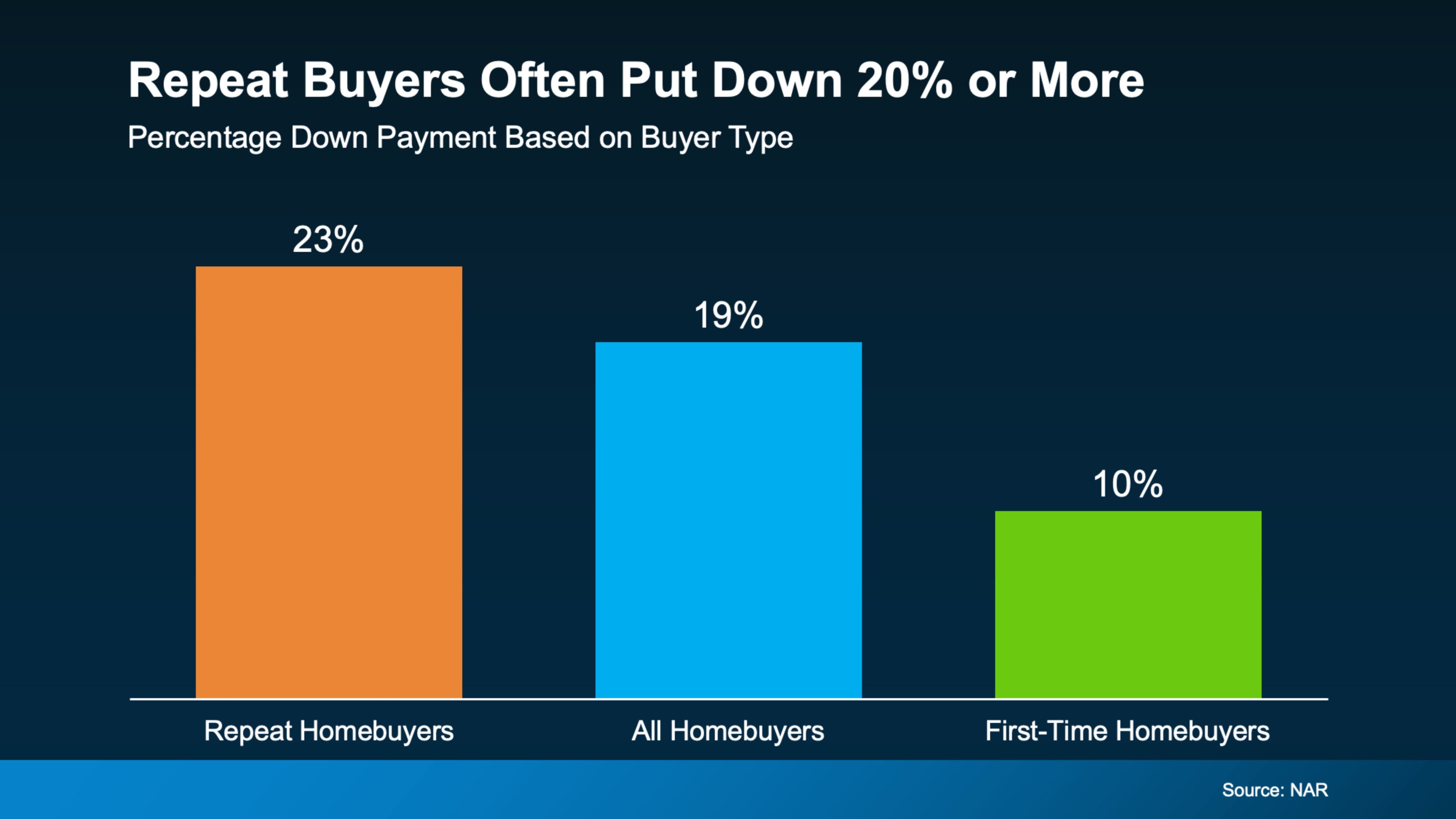
For some buyers, waiting until they have saved 20% could significantly delay their plans. A qualified buyer may discover that a lower-down-payment mortgage allows them to purchase sooner while still maintaining savings for closing costs, moving expenses, repairs, and other priorities.
Programs such as Fannie Mae's HomeReady and Freddie Mac's Home Possible offer down payments as low as 3% for eligible borrowers, subject to program requirements. Freddie Mac's HomeOne also offers a 3% down payment option for qualified first-time homebuyers.
For example, a 3% down payment on a $500,000 home would equal $15,000, while 20% would equal $100,000. That comparison illustrates why knowing the available options can dramatically change how a buyer views the path toward homeownership.
There Are Other Upfront Costs To Prepare For
The down payment is only one part of the cash needed to purchase a home.
Buyers should also prepare for closing costs and other expenses associated with the transaction. Freddie Mac estimates that closing costs commonly range from approximately 2% to 5% of the purchase price, although actual costs vary by transaction, loan, location, and other factors.
That is another reason putting every available dollar toward the down payment may not always be the strongest strategy. Maintaining appropriate reserves after closing can be just as important as deciding how much to put down.
So Why Do Buyers Still Consider 20%?
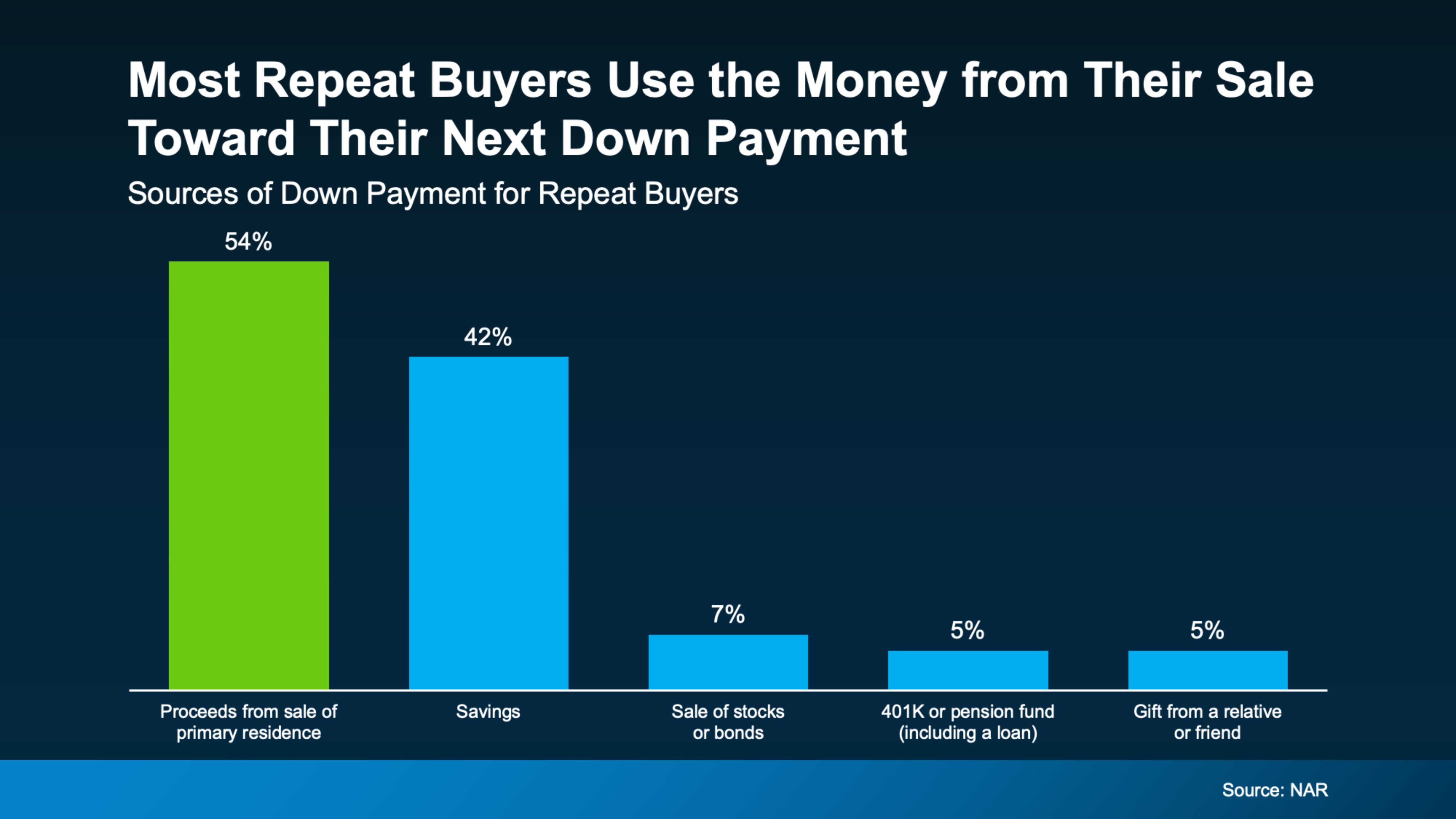
Although 20% is not required in many cases, it can offer meaningful financial advantages for buyers who can comfortably afford it.
A larger down payment reduces the amount being financed. Assuming the same interest rate and loan terms, borrowing less generally means a lower monthly principal and interest payment and less interest paid over the life of the mortgage.
For buyers purchasing higher-priced North County San Diego homes, even a relatively small change in the amount financed can make a meaningful difference in monthly housing costs.
A Larger Down Payment May Reduce Mortgage Insurance Costs
Mortgage insurance is another consideration.
With many conventional mortgages, buyers putting down less than 20% may have private mortgage insurance, commonly known as PMI, included in their housing costs. The exact requirements and cost depend on the loan and borrower.
That should not automatically make a lower down payment a poor choice. Mortgage insurance may be the tradeoff that allows a qualified buyer to purchase sooner rather than waiting to accumulate substantially more cash.
Some conventional mortgage insurance can also be canceled after applicable requirements are met. Freddie Mac notes that eligible Home Possible borrowers can request cancellation after reaching 20% equity, subject to requirements.
Bottom Line
You do not necessarily need 20% saved before buying a home. Depending on your qualifications and mortgage program, lower-down-payment options may provide a path to homeownership while allowing you to preserve more of your savings. At the same time, buyers who can comfortably put more money down may benefit from a smaller mortgage balance, greater starting equity, and potentially lower mortgage insurance costs.
For buyers in North County San Diego, understanding those choices can be far more valuable than focusing on one down payment percentage. Before ruling yourself out of the market, find out what options are actually available and how they fit your complete financial picture.
With Shafran Realty Group currently ranked No. 51 nationwide, No. 20 in California, and No. 2 in San Diego for 2025, this market perspective is grounded in real local activity, buyer behavior, and North County trends.
That is where Shafran Realty Group comes in. With more than 35 years of experience in finance and real estate, Alan Shafran has built a reputation as one of the most respected names in Coastal North San Diego County. Recognized by The Wall Street Journal as one of the Top 100 Realtors nationwide, he has also been ranked No. 1 in San Diego County and No. 5 in California.
If you are considering buying a home but are unsure how much you need to put down, connect with Shafran Realty Group to understand how your budget and financing options can translate into opportunities in today's North County San Diego market.
Check out this article next